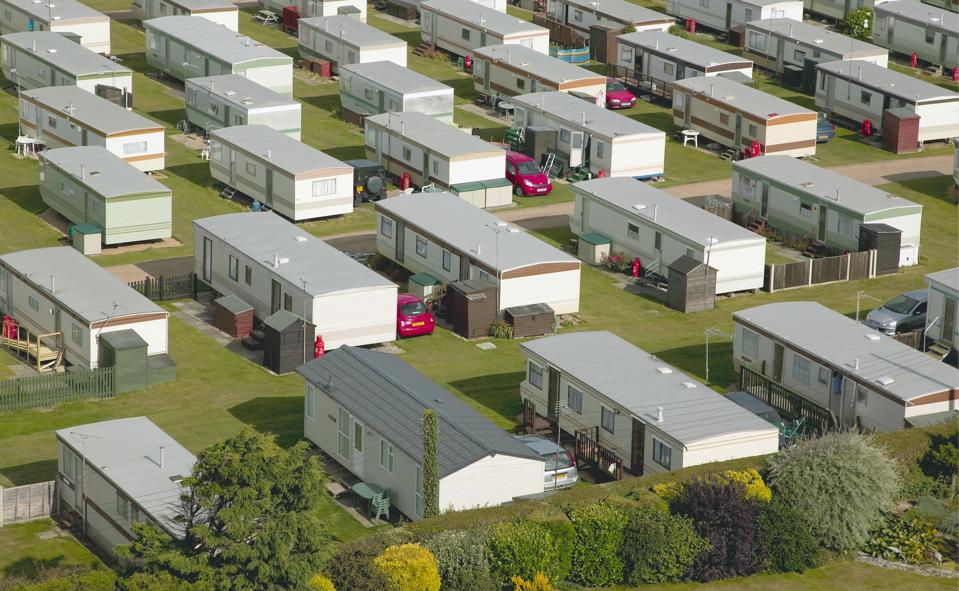
Mobile home park financing has gained traction as one of the better long-term plays for real estate investors looking for cash flow. Strangely enough, home parks often yield recession-resistant income as demand for shelter never dissipates even in a shaky economy. But financing a mobile home park can be trickier than typical multifamily or commercial real estate loans.
In order to assess borrowing risk, lenders will look at a number of criteria and knowing these can drastically increase your chance of success. In this guide, we will discuss the most important things that determine approval for mobile home park financing and what investors can do to prepare.
What Is Mobile Home Park Financing?
Mobile home park financing is the term for loans specifically needed to purchase, refinance or develop mobile home communities. They are usually provided by banks, private lenders, government-backed programs and specialized commercial mortgage brokers.
Mobile home park loans are commercial real estate financing unlike standard residential mortgages. Lenders now look at property performance, cash flow and experience with borrowers, not just income.
1. Property Location and Market Demand
The location of the property is one of the most important factors in mobile home park financing. Lenders want to see a robust demand for affordable housing in the market. Key location factors include:
- Population growth and job opportunities
- Nearby the market, schools and hospitals
- Zoning regulations rules and rent control laws
- Demand for affordable housing in the area
In a growing market with limited housing supply, mobile home parks will be far more attractive to lenders than those items in declining areas.
2. Occupancy Rate and Rental Income
Money on mobile home park financing is heavily predicated on occupancy. Parks with strong occupancy rates are typically favored by lenders since they tend to offer consistent cash flow. Most lenders look for:
- 80%–90% occupancy or higher
- Consistent rental income history
- Low tenant turnover
If there is low occupancy, lenders could consider the property risky. These investors can position themselves for success by stabilizing occupancy before financing solicitation.
3. Property Condition and Infrastructure
The overall condition of the park makes a huge difference in whether or not a loan is approved. Lenders will assess:
- Road conditions and drainage systems
- Utility infrastructure (water, sewer, electricity)
- Common areas and amenities
- Compliance with local building codes
That increases a lender’s risk if costly repairs are needed, thanks to inadequate infrastructure. If you view the property yourself and resolve any major issues beforehand, your chances of approval increase exponentially.
4. Down Payment and Equity
Usually, the down payment required for this kind of financing is higher than a conventional residential mortgage. Most lenders require:
- 20%–35% down payment for stabilized parks
- Less equity for value-add or distressed properties
The more equity you put down, the lesser risk to the lender and better loan terms you can get.
5. Borrower Experience and Track Record
That investor experience greatly informs how mobile home park financing takes place. Borrowers who have owned commercial real estate or mobile home parks are viewed by lenders as less of a risk. They will consider:
- Past real estate investments
- Property management experience
- Portfolio size and performance
- Proficient team of professionals (property manager, accountant and lawyer)
Newer investors may still qualify, however working with veteran operators gives more credibility.
6. Financial Performance and NOI
One of the most pivotal metrics in mobile home park financing is Net Operating Income (NOI). Lenders use NOI to assess the property’s ability to pay debt service. They will evaluate:
- Rent roll and operating expenses
- Historical financial statements (typically 2–3 years)
- Debt Service Coverage Ratio (DSCR)
A DSCR of 1.25x is the most common requirement among lenders, which means that the property earns 25% more than what is owed on the loan payments.
7. Legal and Zoning Compliance
Mobile home park financing is usually available where lenders analyze zoning and legal compliance. They want to ensure the park is legally permitted and won’t be forced to shut down. They may review:
- Zoning classification
- Permits and licenses
- Environmental reports
- Local ordinances and regulations
Due diligence is vital because any legal issues can frustrate or scorch loan approval.
8. Loan Terms and Interest Rates
Rates and loan terms differ by lender, borrower profile, and property performance. Key loan terms include:
- Loan-to-Value (LTV) ratio
- Amortization period (often 20–30 years)
- Fixed or variable interest rates
- Prepayment penalties
Describing these terms can help investors identify the best mobile home park financing construction for their strategy.
9. Value-Add Potential
A lot of investors go after mobile home parks for value-add opportunities, like raising rents or increasing occupancy or upgrading facilities. Mobile home park financing is evaluated by lenders as a cash-on-cash deal from the upside potential.
They may assess:
- Planned renovations or infrastructure upgrades
- Rent growth potential
- Market rent comparisons
- Business plan and projections
A well-made business plan can go a long way towards making lenders more confident in you.
10. Credit Profile and Financial Strength
Although property performance is the critical factor, your personal and business financial profile still plays a part. Lenders will review:
- Credit score
- Net worth and liquidity
- Tax returns and financial statements
- Existing debt obligations
Strong financials clearly show you can afford the investment and manage unforeseen costs.
Why Choose LoanLocker for Mobile Home Park Financing?
No less important is finding the right financing partner. Investors with unique goals turn to LoanLocker for competitive mobile home park financing solutions.
With LoanLocker, you get:
- Access to multiple lenders and loan products
- Expert advising during the entire financing process
- Competitive rates and flexible terms
- Fast approvals and streamlined documentation
- The reporting process is customized according to your specifications.
Whether it’s your first mobile home park or the next property in a growing portfolio, LoanLocker makes financing easy and provides the funds you need to get started.
Get Started with Mobile Home Park Financing Today
Are you ready to invest in a mobile home park? With LoanLocker you can land the best financing solution for your project. Go to https://loanlocker.com and find out what financing options are available to you with a custom quote today.