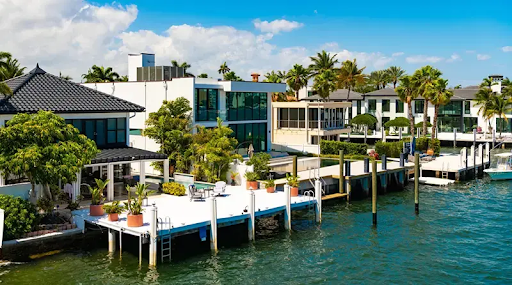
For real estate financing investors, Florida is a land of opportunity, full of investments in cash flow and market appreciation. Florida has been attracting domestic and foreign investment in real estate for many years now, thanks to its growing population, tourism-driven economy, and investor-friendly tax rules. Whether you’re looking at buy-and-hold rentals, fix-and-flip deals, or commercial property, understanding what’s unique about Florida’s real estate market—and the challenges it creates—is crucial to success in a market where competition is fierce. In this guide, we break down important takeaways that all investors should know before delving in.
Why Real Estate Investors Like Florida
1. Population Expansion and the Housing Crunch
One of the fastest-growing states in the U.S., Florida is luring retirees, remote workers, and corporate relocations. That population influx helps fuel continued demand for housing — both the long-term rental market and the homeownership market — which then creates opportunities for real estate investors in Florida. The return to the office has sparked particularly strong demand in cities like Tampa, Orlando, and Jacksonville.
2. Tax Advantages and Economic Appeal
The tax environment is one of the things that Florida’s good for when it comes to investors. There is no personal income tax in the state, and property taxes are relatively moderate compared to other high-demand markets like New York or California. This advantageous framework can mean an increase in net returns for those investing in Florida real estate, particularly when paired with federal tax benefits like 1031 exchanges that defer capital gains.
3. Diverse Investment Opportunities
The real estate market in Florida is far from monolithic — it stretches across all sorts of properties, including single-family homes and apartments, beachfront condos and commercial properties. That variety enables investors to adapt strategies depending on their risk tolerance, levels of capital, and investment horizons.
4. Tourism-Driven Rental Income
Florida attracts far more than 100 million visitors a year, stoking demand for short-term and vacation rentals in hot spots such as Miami Beach, Orlando (adjoining Walt Disney World), and Sarasota. For investors hoping to use their property for short-term rental income, a tourist economy can equate to strong occupancy rates and premium nightly rents.
Top Tips For Real Estate Investors In Florida
1. Buy and Hold: Long-Term Growth
Despite the market favoring a buy-and-hold approach, this is just a bonus for investors who are on the hunt for out-of-state rental properties in Florida. Renting for the long term in expanding metro areas can produce a steady stream of cash while the property appreciates.
2. Fix and Flip: Profiting from Renovations
An attractive option, especially for investors who can find underpriced properties, renovate quickly, and sell at a profit. In hot markets like Miami and Orlando, where there is an appetite for updated homes, flips that are well done can yield handsome returns if handled right.
3. Short-Term Rentals: Lifestyle and Income
Real estate investors looking to invest in properties for vacationers can take full advantage of the strong tourism market. Such rentals generally need to be actively managed, but they can generate much higher per-night rates than long-term leasing would — particularly in coastal cities and central Florida.
4. Commercial and Multifamily Investments
Business News Other investments in real estate, such as commercial properties and multifamily buildings, are still open to bigger investors – provided they have the capital. They frequently include a diversified income source via multiple units or business tenants, but due diligence and market research are even more critical in these sectors.
Essential Considerations Before Investing
Understand Local Market Variations
The Florida real estate market is not uniform. Coastal metros, such as Miami and Fort Lauderdale, have higher prices and tighter cap rates, while some inland or up-and-coming cities like Lakeland or Cape Coral could provide better entry points. Real estate investors in Florida must review economic indicators, job growth, and rental trends before they acquire a property.
Account for Climate Risks
Florida’s picture-perfect climate also carries weather risks. While hurricanes, flooding, and rising sea levels are legitimate concerns that impact insurance rates, property upkeep, and general sustainability in the long-run. Shareholders have to plan on the cost of full insurance premiums and protection.
Conduct Thorough Due Diligence
Saving money means cutting corners on inspections or market research — and that can be expensive. Because of its distinctive climate and building needs — including humidity, termite activity, and salt-air corrosion on buildings near the coast — thorough property and pest inspections are needed before buying in Florida.
Build a Local Team
Dealing with local zoning statistics, HOA rules, insurance needs, and tenant rights is far less cumbersome when you have a crew of licensed profesionals who know the ins and outs of Florida’s real estate reality. This encompasses brokers, lawyers, financiers, and property managers.
What Obstacles Will Investors Face?
Competition and Market Entry
Floridians looking to sell must compete against a large number of investors who have been drawn here because of high demand and conducive conditions — especially in popular metro areas. New Florida real estate investors should be ready to make decisions and have their financing in place.
Growing Costs Of Insurance And Tax
Though Florida has a friendly tax environment for such services, insurance costs (particularly as they relate to floods and hurricanes) have been skyrocketing over the past few years. If you don’t forecast them properly, they can eat into your profit margins.
Market Slowdowns and Cycles
As with all real estate markets, Florida is cyclical. The activity of institutional investors and general housing market demand may vary with broader economic conditions, impacting pricing and availability. When to buy or sell, investors need to watch for macro factors.
FAQs for Real Estate Investors in Florida
- Is real estate in Florida a good investment?
Yes, it is, because of the state’s robust population growth, good tax environment, and varied markets that appeal to most investors. Although it does work, it only does if you do your homework and align with the strategy.
- What are the best types of properties for investment in Florida?
Opportunities range from single-family rentals, multi-family buildings, and commercial properties to vacation rentals and luxury condos. All of them have different risk/reward profiles, so match with your financial objectives.
- Should I have a local Florida real estate agent if I want to invest in the area?
It is recommended to partner up with a licensed local agent who can provide pricing insights, negotiate the best deals, and guide you to state-specific legal requirements.
- How can I mitigate my risks when investing in Florida real estate?
Dive deep with due diligence; take insurance and climate risks into account; diversify your portfolio; and work with a professional team to minimize unknowns and protect capital.
- What are the most common investment mistakes in Florida?
Some common mistakes include skipping inspections, ignoring flood zones and insurance costs, underestimating ongoing expenses, and not figuring out realistic cash flow and ROI (return on investment) projections as common errors.
Conclusion
Florida remains dynamic as ever, as real estate investors see the long-term strength of its economy, advantageous tax regime, and strong rental demand. Real estate investors in Florida must have a deep understanding of the local market, develop specific investment strategies, and approach the state’s pitfalls and opportunities with caution and care to find success.
Though risks that come with climate exposure and increasingly expensive insurance will need to be managed, the Sunshine State remains an attractive destination for anyone looking for a diversified portfolio state in which to place one’s bets. Whether you are entering your first deal or scaling an already existing portfolio, Florida is full of opportunities for savvy investors. Visit Loanlocker for further details.