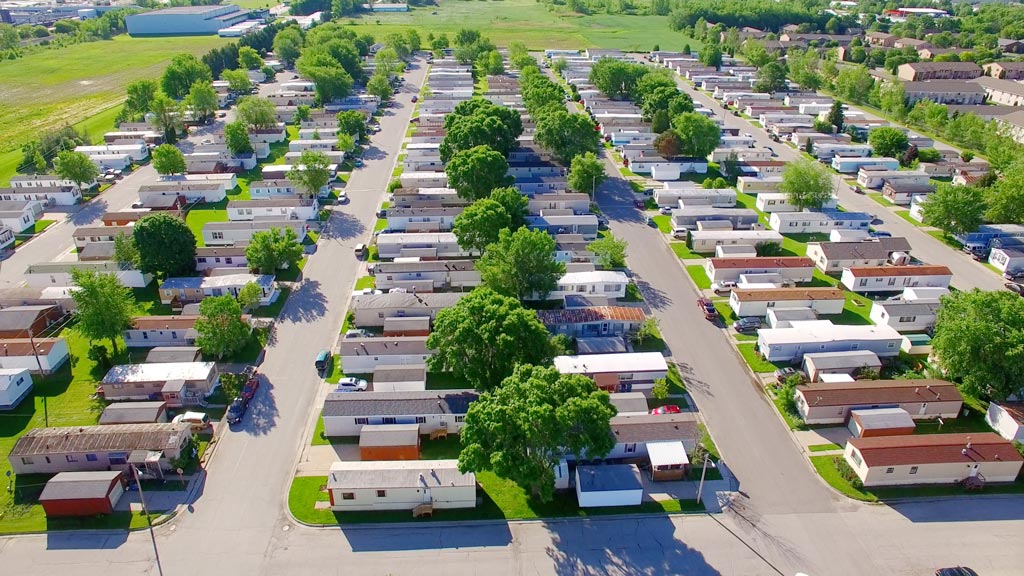
Trailer park financing is a great way to secure wealth through real estate, but this type of investment may be ideal for those looking to earn cash flow quickly at an affordable price.
But funding mobile home parks and manufactured housing communities poses specific challenges that traditional real estate investors might not be accustomed to. In this guide, we will unpack the most common roadblocks in trailer park financing as well as how to overcome them.
What Is Trailer Park Financing?
Trailer park financing is a type of loan or funds used for the purchase, development, or refinancing of mobile home parks and manufactured housing communities. Trailer parks, unfortunately, don’t fit into typical residential or commercial real estate and fall in a niche asset class with unique underwriting rules, risk characteristics and lender requirements.
Due to these differences, however, investors are subject to tighter lending guidelines and fewer different financing programs.
Common Obstacles in Trailer Park Financing
1. Limited Lender Options
Finding lenders that understand mobile home park investments is one of the biggest challenges in trailer park financing. Traditional banks often classify trailer parks as high-risk assets because of tenant turnover, the complexity of property management and misconceptions surrounding the industry.
How to Overcome It?
- Partner with niche lenders who concentrate on mobile home parks.
- Team up with financing platforms such as LoanLocker that work with lenders experienced in manufactured housing investments.
- Create a strong business plan that provides lenders with assurance of the park’s financial viability.
2. Strict Down Payment Requirements
Financing for trailer parks typically calls for larger down payments than traditional real estate. Perceived risks can cause lenders to demand as much as 20% to 30% or even more.
How to Overcome It?
- Before going for financing, build up your cash reserves.
- One way to minimize your funds is through partnering with investors.
- Seek seller financing opportunities, which can reduce cash needed upfront.
3. Property Condition and Infrastructure Issues
Older trailer parks may feature aging utilities, roads, septic systems or electrical wiring. Such problems can depress property value and result in lenders shying away from offering financing.
How to Overcome It?
- Conduct a thorough review of the property’s inspection and environmental testing.
- Prepare a capital improvement plan which will show lenders your road map on this infrastructure upgrade.
- Fixing finance or had to fix renovation / improvement loans.
4. Zoning and Regulatory Challenges
Local zoning regulations may complicate trailer park financing. Some municipalities restrict mobile home parks, or impose strict standards for compliance.
How to Overcome It?
- Check that the zoning is appropriate before you buy the property.
- Engage a real estate lawyer who is knowledgeable about manufactured housing laws.
- Check if the park has required permits, licenses and legal status.
5. Tenant-Owned Homes vs. Park-Owned Homes
Lenders like parks where tenants own their homes and pay rent. Homes owned by the park attract more management and risk, making financing harder.
How to Overcome It?
- Ideally, slowly transition to tenant-owned units for park-owned homes.
- Emphasize steady lot rent income in your financial projections.
- Gives lenders the information on historical rent rolls and occupancy data.
6. Cash Flow Documentation Requirements
Lenders prefer parks in which the tenants own their homes and pay rent. Park-owned homes see more management and risk, driving up costs in finance.
How to increase mobile home park cashflow?
- Preferably, gradually move to tenant-owned units for park-owned homes.
- Highlight stable lot rent revenue in your financial forecast.
- Provides lenders with the historical rent rolls and occupancy data.
7. Environmental and Title Issues
Environmental issues including soil contamination or underground storage tanks or vague property boundaries can kill trailer park financing.
How to Overcome It?
- Conduct Phase I environmental assessments.
- Get a professional survey and title search.
- Legal and environmental issues need to be resolved prior to applying for financing.
Strategies to Improve Approval for Trailer Park Financing
Establish strong credit and financial profiles.
Lenders look at the borrower’s credit scores, net worth, liquidity, and experience. All of this data will go towards getting you approved, and cleaning up your personal and business financial profile can help to improve your chances greatly.
Develop a Detailed Business Plan
You might have even drafted a detailed business plan outlining market analysis, earnings forecasts, capital improvement plans and exit strategies. It is an indicator of professionalism, and minimizes lender risk.
Work with Specialized Financing Platforms
Platforms such as LoanLocker streamline the process by linking borrowers with lenders experienced in financing mobile home park investments.
Why Choose LoanLocker for Trailer Park Financing?
Finding the right partner for trailer park financing can make all the difference. However, LoanLocker focuses on helping real estate investors get custom financing for unique property types like mobile home parks.
Benefits of Working with LoanLocker:
- Exposure to Specialized Lenders: LoanLocker introduces you to lenders who specifically cater to companies purchasing manufactured homes.
- Reduced Application Process: Use simplified loan matching and application tools to save time.
- Agile Financing Solutions: Inquire about acquisition, refinance, and improvement loans.
- Some expert guidance: Receive assistance at every stage of the financing process to increase your likelihood of approval and obtain competitive terms.
Final Thoughts
Alternative financing for trailer parks is a lucrative option for cash flow and growth-oriented investors. But this process also has its own particular difficulties, such as a lack of lenders willing to write a bridge loan and often strident down payments, along with regulatory hurdles and problems with the property’s condition.
Understanding these challenges, and partnering with a specialized lending platform like LoanLocker can navigate the obstacles that stand in your way to financing by giving you access to capital necessary for mobile home park expansion.
Ready to get started? Visit https://loanlocker.com/ now to learn more about trailer park financing and how lenders that share your investment goals can help you.