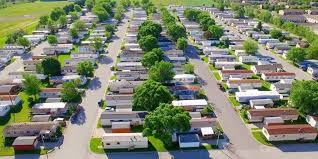
New buyers entering the world of mobile home park loans can find it exciting as well as complex. The specialized commercial loans have little in common with standard residential mortgages, and knowing what to expect before you apply can help you submit a competitive bid and lock in desirable loan terms.
In this ultimate guide, we will dissect the financing landscape, describe what you’ll need to qualify for a mobile home park loan, go over various types of loans, and leave you with an understanding and a realistic mindset so new buyers can hit their target goals head-on.
How Mobile Home Park Loans Work
Mobile home park loans, like other commercial real estate loans, are based on the financing for the purchase, refinance, or redevelopment of manufactured housing communities. These loans generally finance the land, shared infrastructure, and rental pad sites as opposed to individual residences situated on those lots.
Unlike residential loans, which are frequently backed by government entities like Fannie Mae for single-family homes, mobile home park financing is underwritten with commercial credit metrics prioritizing income, occupancy, property condition, and market viability.
Interesting Features on Common Mobile Home Park Loans:
- Higher loan amounts ($1M+ in many cases for the experienced lender)
- Loan-to-Value (LTV) ratios ranging from 65%–80%
- DSCR about 1.25 or higher
- Loan terms that can vary from 5 to 30 years, depending on your lender and product
- Different interest rate structures (fixed vs. floating)
Mobile Home Park Loans Types: What Buyers Need to Know
Not all financing is equal — new buyers can expect to have options that will depend on their strategy and financial profile:
1. Traditional Bank/ Credit Union Loan
Banks provide traditional commercial mortgage financing with terms and amortization. Expect strict credit and income scrutiny, but the potential for more competitive interest rates if you’re a well-qualified buyer.
2. Special Agency Loans (Fannie Mae / Freddie Mac)
Stabilized parks with higher pad counts and full occupancy government-related entities are strong options. The agency mobile home park loans can be:
- Long Amortization, up to 30 years.
- Non-recourse features
- Competitive fixed rates
However, agency lending usually has minimum loan sizes (usually closer to or above $1M), and property performance hurdles must be strong, like occupancy rates over 85%.
3. Bridge and Hard Money Financing
Bridge loans, offering higher rates (which include hard money loans), come to the rescue when time is crucial, and underwriting isn’t possible. They are commonly used for the repositioning of the property or to stabilize occupancy before getting permanent debt.
4. Creative Commercial Products
Smaller parks and value-add opportunities might also gain from flexible structures that incorporate mezzanine debt, seller financing, or tailored structures— particularly if PAD rents are high relative to expenses.
Exploring the Options for Mobile Home Park Loans enables new buyers to be aware of the full array of financing that is available beyond traditional banking channels.
Lending Requirements and Underwriting Expectations
How lenders evaluate mobile home park loans is different from regular home mortgages. New purchasers can expect scrutiny on a few key aspects:
Income & Cash Flow Figures
A key determinant is whether the property produces sufficient income to cover debt payments. Lenders measure this with the Debt Service Coverage Ratio (DSCR) – they usually require a DSCR of at least 1.25x – net operating income needs to be at least 25% greater than annual debt obligations.
Occupancy and Park Quality
The lenders are more interested in parks with high and stable occupancies — typically higher than 85% — because that represents dependable revenue. Physical conditions, including paved roads, utility infrastructure, and pleasing community appearance, also factor in for approval and pricing.
Borrower Experience and Financial Status
Some lenders prioritize borrower experience with comparable commercial properties, while others analyze the financial creditworthiness of the investment team. Show liquidity, great credit, and the documentation of business plans as a possible means to be approved.
LTV Ratios and Collateral
Anticipate LTVs of 65% to 80% on many mobile home park loans. Sites that are valued with strong land and infrastructure value will typically make better terms.
By being aware of where lenders’ focus is right now, new buyers can get ahead with their applications and position themselves for success by knowing what documentation and financial ratios will be reviewed.
Typical Loan Terms Prospective New Buyers Should Anticipate
For new buyers, the following is what one can really expect in mobile home park loans:
Loan Amounts
For institutional lenders, they begin with about $1 million, but private or bridge lenders may go lower. Larger portfolios and parks with strong income metrics will be eligible for larger financing.
Interest Rates
Rates can be from the moderate fixed rates with agency products to a little higher with private lenders or bridge sources. Be prepared to balance your longevity against cost.
Amortization
Loan amortization schedules typically cover 20 to 30 years, even if the actual loan term is shorter (e.g., 10 years) — spreading out payments over a much longer period to reduce monthly payments.
Prepayment and Assumability
Agency and CMBS mobile home park loans may provide assmability— meaning possibly get taken over by a buyer, contributing value. There may be prepayment penalties or defeasance, especially for agency or CMBS financing.
Knowing these common terms means first-time buyers won’t be caught off guard by any lender’s requirements or condition terms.
Important Steps for New Buyers Before Applying
Here is the strategic checklist to improve your odds with mobile home park loans:
1. Assess Property Financials
Organize rent rolls, maintenance budgets, operating costs, and comparable income statements from the past. Organize financials and streamline underwriting.
2. Get Pre-Qualified
Work with lenders early to become familiar with the loan products for which you’re eligible, the assumptions they make regarding occupancy and income, and the DSCR targets that are required.
3. Understand Market and Property Risk
Consider market demand, local amenities, and employment centers —lenders consider regional income stability as part of the underwriting.
4. Prepare a Strong Borrower Profile
Demonstrate relevant experience, good credit history, and considerable liquidity. And even if you lack experience, having experienced advisers can be helpful.
When new buyers come in educated and honest, they’re more likely to get good mobile home park loans.
Frequently Asked Questions (FAQs)
- What are the standard requirements for mobile home park loans?
When lending on mobile home parks, lenders look at the cash flow, occupancy rates, debt service coverage ratios (DSCRs), property condition, and borrowers’ financial capacities.
- How much is required as a down payment?
Be prepared to put down about 20%–30% for most conventional mobile home park loans, but lender requirements will vary.
- What loan terms are offered for mobile home parks?
Most loans will have a 5- to 15-year term and amortization up to 30 years on most agency and commercial deals.
- Are mobile home park loans more difficult to get than other commercial loans?
Underwriting can be more technical because these loans are product-specific and property-specific, but there is competition in agency, bank, and private-market loan programs.
- Can one refinance a mobile home park loan?
Yes — it’s very common, particularly as income rises or better interest rates become available.
Conclusion
For first-time purchasers, knowing what mobile home park loans make a world of difference in the confidence level through the acquisition process. These are loans for commercial income properties, and they have different expectations about things like the stability of your income, your occupancy, DSCR (debt service coverage ratio), LTV (Loan to Value) ratios, and documentation than residential loans.
Learn about common loan products available, underwriting standards, and best practices to prepare—so you can set yourself up for success by leveraging the loan that aligns with long-term investment goals. With the right planning and experienced lending partner, mobile home park loans can be a great way to expand your portfolio and create long-term wealth as an investor in the MH space.
Ready to learn more about mobile home park loans or get started on your investment property search? Visit LoanLocker to apply, receive expert advice, and be matched with a lender that knows your big picture.